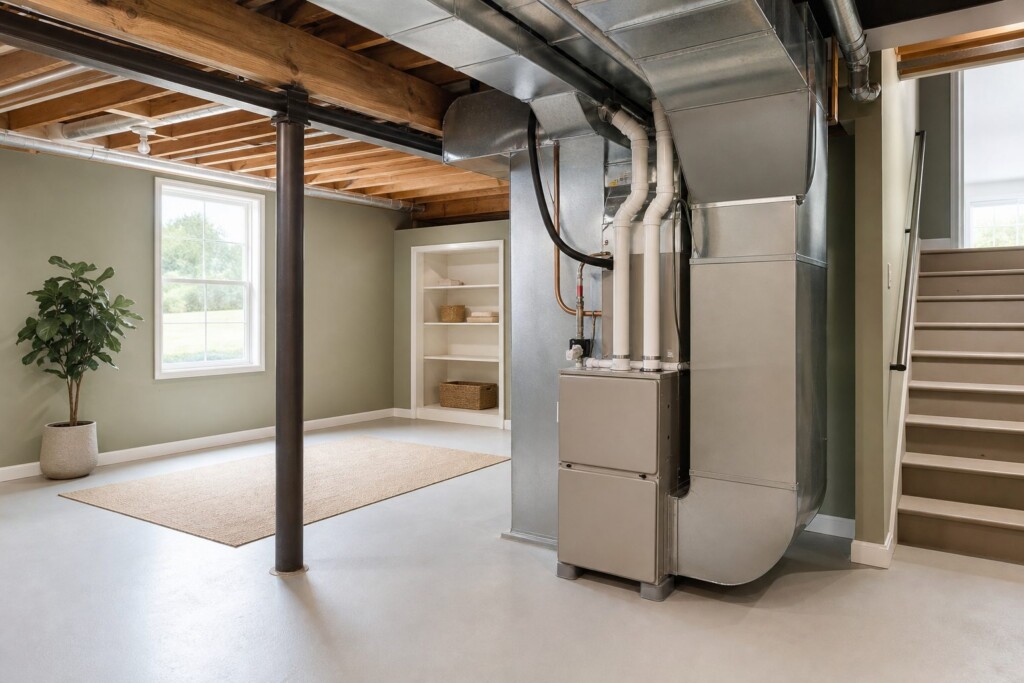
Heating Installation in Tampa, FL
Vinson Heating and Cooling provides heating installation services for Tampa residents and businesses. We install systems designed to deliver steady warmth and efficient operation for your property.
Our technicians work on models suited to Florida conditions, helping you select and install heating equipment that supports comfort through cooler months.
Heating System Types
Heating systems come in several forms, including furnaces, heat pumps, and electric heaters. They differ in operation, energy use, and installation requirements.
Furnaces heat air and distribute it through ductwork, suitable for many homes here. Heat pumps provide both heating and cooling by transferring heat, making them versatile for Florida climates.
Electric heaters offer direct warming but usually work best for specific areas due to higher energy use. Choosing the right type involves assessing your property and comfort needs.
Installation Process Overview
Heating installation begins with an evaluation of your current setup and space. The team measures and inspects areas where new equipment will fit.
Next, the new heating system is positioned and connected to power or fuel sources. Ducts or vents are linked or adjusted to ensure proper airflow.
Technicians calibrate the system controls and test the unit to verify it works within intended temperature ranges. They clean the workspace and explain basic operation and maintenance tips.
Installation ends with a walkthrough of the system’s features and how to adjust comfort settings. This ensures you understand how to operate your new heating equipment safely.
Signs Heating Needs Installing
Heating systems that do not provide adequate warmth or run intermittently may require replacement with a new installation.
- Uneven heating. Certain rooms remain cold even when the system is running steadily throughout the home.
- Frequent breakdowns. Repeated repairs or parts replacements indicate the system may be beyond effective use.
- Rising energy use. Your heating bills increase noticeably without a change in settings or weather.
- Noisy operation. Strange sounds coming from the heater during startup or normal use suggest internal issues.
- Poor airflow. Air vents produce weak or no airflow despite the heater being on and functioning.
Factors Causing Heating Issues
Heating system problems often originate from physical wear, outdated components, or improper sizing for the space.
- Clogged filters. Dirty or blocked filters reduce airflow and system efficiency, causing uneven heat distribution.
- Faulty thermostat. Incorrect temperature readings or malfunctioning controls disrupt consistent heating operation.
- Worn-out parts. Mechanical components degrade over time, leading to frequent failures or reduced output.
- Improper sizing. A heating system too small or too large for the space cannot maintain consistent temperature.
- Leaky ductwork. Air escapes from ducts before reaching living areas, lowering system effectiveness.
Heating Installation Steps
Step one: Conduct an initial inspection to assess heating needs and site requirements.
Step two: Remove old heating equipment safely and prepare the installation area.
Step three: Place and secure the new heating unit in the selected location.
Step four: Connect electrical or fuel lines following safety standards and manufacturer instructions.
Step five: Integrate ductwork or vents and configure thermostat controls.
Step six: Test the heating system for correct operation and make necessary adjustments.
Step seven: Provide a detailed walkthrough on system use and maintenance suggestions.
Mistakes to Avoid with Heating
Certain common actions may worsen heating issues or complicate installation for new systems.
- Skipping professional evaluation. Installing a heating system without an expert assessment risks choosing wrong size or type.
- DIY duct modifications. Altering ductwork without proper knowledge can reduce heating efficiency and cause leaks.
- Ignoring odd noises. Continued use despite unusual sounds may damage the system further before servicing.
- Postponing upgrades. Delaying installation of needed heating replacements leads to rising costs and discomfort.
- Using incorrect parts. Repairs or installations with incompatible components reduce lifespan and safety.
Maintaining Your Heating System
Regular upkeep helps the heating system operate efficiently and lengthens its service life.
- Routine filter changes. Replace or clean filters according to manufacturer instructions to maintain airflow.
- Keep vents clear. Ensure furniture or objects do not block air vents to allow even heat distribution.
- Schedule inspections. Have a professional check the heating system periodically for potential issues.
- Monitor thermostat settings. Adjust controls thoughtfully to avoid unnecessary strain on your heating equipment.
- Clean around equipment. Remove dust and debris near the heater to prevent blockages and fire risks.
Common questions
Evaluate your home size, insulation, and current heating needs with a professional assessment.
Installation time varies but generally completes within a day depending on system complexity.
Signs include uneven heating, frequent repairs, rising energy use, and poor airflow.
We provide system evaluation, removal, new equipment setup, ductwork integration, and testing.
If your system fails frequently or cannot maintain comfort, installation is often a practical choice.
Ready when you are
Request HVAC Service
Contact Vinson Heating and Cooling to discuss your needs for repair, installation, or maintenance. We provide clear, straightforward service without surprises.